
Services
Planting, Design and Garden Enhancements
We plan and create landscapes with a focus on native plants that support wildlife and the surrounding ecosystem. Whether creating native gardens or replacing lawn with wildflower meadows, we source plants carefully, amend soils as needed, and install with attention to spacing, future growth, and ecological function. On-site layout decisions are guided by years of experience and horticultural knowledge, with formal designs available upon request
Pricing included in estimates
Garden Revitalization and Redesign
For overgrown or neglected gardens, we provide thoughtful intervention—editing what exists, restoring balance, dividing and relocating plants, managing invasives, and introducing new material where appropriate. This work combines horticultural knowledge with aesthetic judgment
Pricing: $90/labor hour
Precision Pruning
All pruning is done at the biologically correct time of year and tailored to each plant’s growth habit. We do not shear. Techniques include renewal, rejuvenation, and selective thinning to preserve natural form and long-term vitality
Pricing included in estimates
Invasive Plant Management
We address invasive species using a combination of mechanical removal and targeted herbicide application when necessary, always prioritizing surrounding plant health and soil integrity
Pricing: $90/labor hour
Spring Garden Reset
We time our spring clean-up according to plant and wildlife cycles. We cut back overwintered growth once pollinators are no longer sheltering, clear winter debris, manage excess leaf buildup, and gently reawaken beds without damaging emerging plants or soil structure
Pricing: $300 minimum
Ecological Fall Preparation
Our fall clean-up visits focus on preparing gardens for winter without stripping away habitat or visual interest. We selectively manage leaves to nourish soil and protect plant roots, remove spent annuals, and cut back only those perennials that offer no wildlife or winter value. Work is performed using quiet, electric equipment to minimize disruption
Pricing: $325 minimum
Garden Stewardship (Ongoing Maintenance)
(These packages are available only after a garden installation or redesign). Stewardship visits are holistic garden care rooted in horticultural best practices. Tasks may include mowing, trimming, weeding, deadheading, selective pruning, staking, soil observation, and targeted pest management—always with restraint and long-term plant health in mind
Pricing: Stewardship Plus (every 10 days, includes mowing) $110/visit
Stewardship Light (monthly, no mowing) $320/visit
Consultation
Pricing: Project Consultation $85 (credited toward work if booked)
Educational/Instructional Consultation $100/hr

Lady beetle larva feeding on aphids
Integrated Pest Management (IPM)
IPM is a process by which unwanted pests are discouraged through management of the natural balance of an ecosystem. IPM techniques focus on long-term prevention of pests or their damage by practicing biological control, habitat manipulation, modification of cultural practices, and use of resistant plant varieties. When necessary, pesticides are applied in a manner that minimizes risks to human health and the surrounding environment.
Leaving Leaves

Luna moths disguise their cocoons with fallen leaves to help keep them safe as they overwinter in leaf litter.
(Photo credit Michael J. Raupp, Ph.D.)
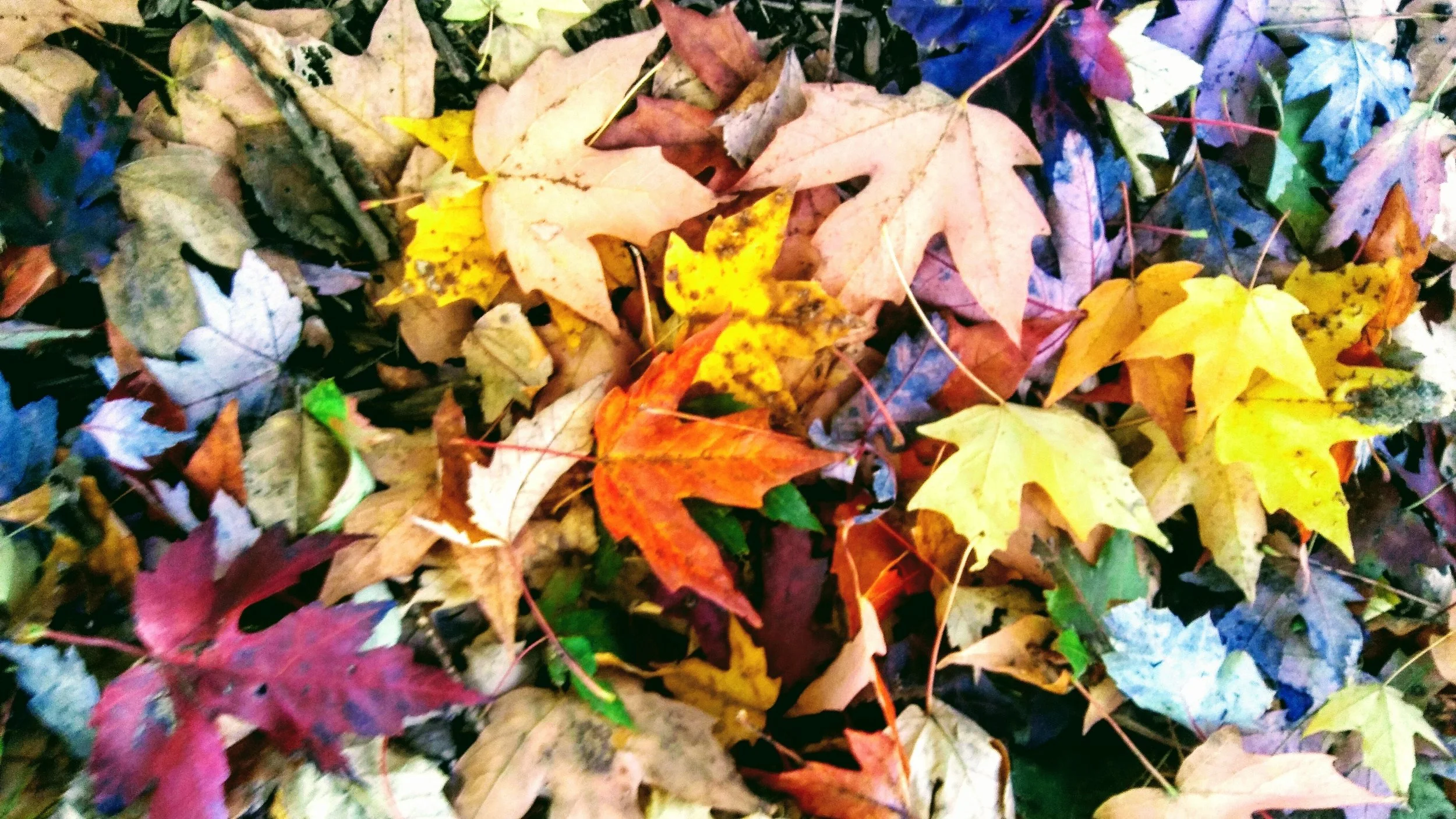
While we advise removing them from lawns, we prefer to leave fallen leaves wherever possible in order to benefit the surrounding ecosystem. Leaves contribute to plant and soil health by forming a natural mulch; they help suppress weeds and fertilize the soil as they break down.
Furthermore, leaf litter is crucial to maintain biodiversity. Critters ranging from turtles and toads to birds, mammals and invertebrates rely on leaf litter for food, shelter and nesting material. Many invertebrates overwinter in fallen leaves before emerging in spring. In the spring, birds rely on insects in the leaf litter to feed themselves and their young. By eliminating leaves from your landscape, you eliminate birds as well.

Garlic mustard (Alliaria petiolata) is one of the invasive plants commonly seen in New England. Garlic mustard is one of very few non-native plants to be able to successfully invade forest understories.
Because the understory of a forest is so important for insects and other species at the bottom of the food chain, invaders like garlic mustard can weaken the entire ecosystem.